Welcome to Mental Health Australia
As the national, independent peak body for the mental health sector, we unite the sector and advocate for policies that improve mental health.

explore
For over 25 years Mental Health Australia has advocated for mental health reform, and we continue to drive policy changes and proactively put mental health on the agenda.
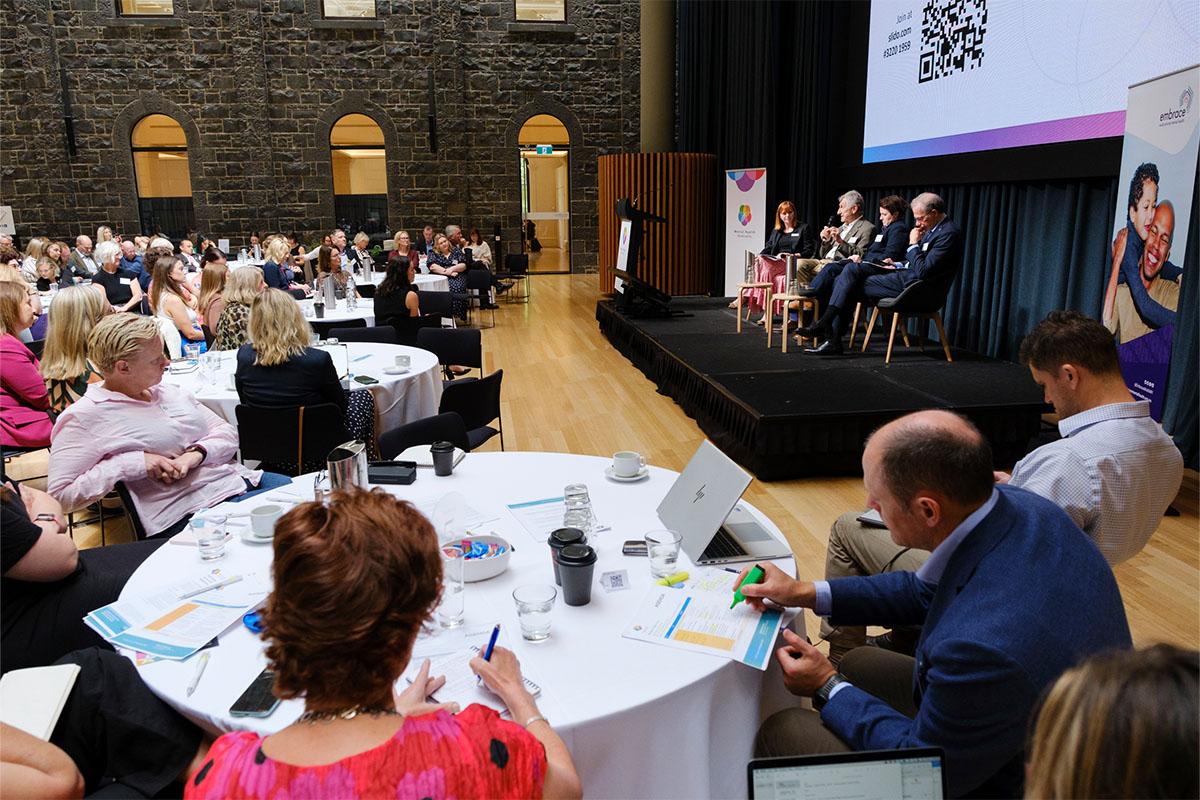
What we do
Our strategy
We are the national, independent peak body for the mental health sector. We unite the voices of the mental health sector and advocate for policies that improve mental health.
Latest policy submissions
See all policy submissions-
 2 October 2026Read more
Submission on NDIS Access Changes
In October 2026, Mental Health Australia made a submission to the Australian Department of Health, Disability and Ageing's consultation on NDIS Access Changes. The submission responds to the consultation paper mapping a high-level architecture for developing and implementing a new and standardised assessment and outlines MHA’s views on key areas related to psychosocial disability that need to be considered in the design and implementation of a new and standardised NDIS access approach.People with psychosocial disability have been disproportionally disadvantaged because of weaknesses in the current assessment process in understanding psychosocial disability, including difficulties in demonstrating or confirming permanence or likelihood of permanence. This submission outlines key issues that MHA considers the Department and the Technical Advisory Group (TAG) need to address in the design of this new access system.The new access assessment system must deliver equity of access for all disability groups and address the technical issues currently resulting in such inequities in access. It must be inclusive of the particular requirements of people with psychosocial disability and their families, carers and kin and should not result in reduction in the number of people with psychosocial disability in the Scheme. - 2 October 2026Read more
Submission on NDIS Support Coordination and Connection reform
Mental Health Australia made a submission to the Australian Department of Health, Disability and Ageing's consultation on NDIS Support Coordination and Connection reform. Mental Health Australia understands that the government is proposing a new model for NDIS support coordination and acknowledge the potential of a block-funded approach. As such, the success of the new Support Coordination and Connection (SCC) service will depend on the pricing model used, as it must be funded appropriately and not as a cost-cutting measure.In developing the new SCC service, it is critical that Psychosocial Recovery Coaching is retained, to ensure the needs of people with psychosocial disability can be better met. The original intent and potential of Psychosocial Recovery Coaching have not yet been met due to inadequate pricing models and an unclear scope of practice, that views the role as Support Coordination ‘plus’. Psychosocial Recovery Coaches were one of the few actions implemented by the NDIS that support a recovery-focused approach. They are unique in their application of psychosocial specific skills, knowledge and expertise to a recovery focused relationship, which acts as scaffolding from which people living with serious mental health challenges can build a life that is meaningful to them. Mental Health Australia and our members are concerned about the reduction of psychosocial expertise proposed under this model. - 28 August 2026Read more
Submission to the Inclusive Communities Fund consultation
In August 2026, Mental Health Australia made a submission to the Australian Government Department of Health, Disability and Ageing’s consultation on design of the Inclusive Communities Fund (the Fund).Mental Health Australia supports the Inclusive Communities Fund's goal of improving access to community activities for people with disability. However, this Fund is deeply inadequate in the context of significant cuts to personalised NDIS Social, Civic and Community Participation (SCCP) supports supports from National Disability Insurance Scheme packages.People with psychosocial disability are likely to be disproportionately affected by these changes and must be specifically considered in the Fund's design. While community grants can improve accessibility, they cannot replace the personalised supports many people need to participate fully in community life.For many people, particularly those with high support needs, ongoing funded individual support is essential to ensure genuinely accessible and sustainable inclusion in community activities. The limited general resourcing offered to organisations through the Inclusive Communities Fund grant cannot replace this. Governments must prioritise addressing the unmet need for psychosocial supports outside the NDIS to deliver effective and efficient personalised community participation support, and ensure that they are well established before the SCCP cuts come into effect. - 4 June 2026Read more
Submission to the Inquiry into the NDIS Amendment (Securing the NDIS for Future Generations) Bill 2026
In May 2026, Mental Health Australia made a submission to the Senate Community Affairs Legislation Committee Inquiry into the NDIS Amendment (Securing the NDIS for Future Generations) Bill 2026.The purpose of the Bill is to provide the scaffolding to enact reforms to the NDIS announced at the National Press Club on 22 April 2026, which include reducing the number of participants, cuts to social and community participation supports and mandatory registration of providers delivering high-risk supports. While Mental Health Australia supports the Australian Government’s intention to secure the financial sustainability of the NDIS for future generations, we have significant concerns about this Bill. The Bill seeks to introduce major system reform that has not been tested with the disability community and sector – with deeply concerning implications for access to appropriate disability supports and fair administrative processes. The Bill as it is currently written also stands to disproportionately disadvantage people with psychosocial disability from the point of access, through support needs assessment, support provision and beyond.Mental Health Australia’s submission offers a starting point for consideration of the unintended consequences of this Bill and offers recommendations about how to mitigate key risks. It also calls to prolong the period of inquiry into the Bill to enable thorough consideration of the consequences of the proposed changes. This would enable Government to work with community on the design of more appropriate policy to support both the financial sustainability of the NDIS and equitable access to disability supports.
Latest media releases
See media releases-
 8 October 2026Read more
One in five Gen Zs have nobody to turn to for support, new data reveals ahead of World Mental Health Day
Young people are experiencing higher levels of disconnection than any other generation, according to new data released by Mental Health Australia ahead of World Mental Health Day on 10 October. One in five Gen Zs (20%) say they have no friends or family they can count on when they need support, compared with 13% of Gen X and 8% of Baby Boomers.The nationally representative Essential research also found almost one in three Gen Zs (32%) feel either not very connected or not connected at all to friends, family, neighbours and their community, compared with 26% of Gen X and 20% of Baby Boomers.The findings highlight a growing "connection gap" in Australia, with young people being the least connected generation despite widespread recognition that connection plays a vital role in mental health and wellbeing.Only 65% of Gen Zs say they feel connected, compared with 71% of Millennials and 80% of Baby Boomers.Overall, nearly half (47%) of all people say they feel less connected to others than they did 10 years ago, while 64% believe Australia is becoming more disconnected. These findings are similar across generations.The findings come on World Mental Health Day on 10 October, which is led nationally by mental health peak body Mental Health Australia. This year's national theme, Together We Thrive, recognises connection, belonging and community as essential foundations for good mental health.Mental Health Australia CEO Carolyn Nikoloski said the findings paint a concerning picture of growing disconnection, particularly among younger people."The fact that one in five Gen Zs say they have no one they can count on for support should be a wake-up call," Ms Nikoloski said."We all need people we can rely on. When those relationships are missing, the impact on mental health and wellbeing can be profound."Young people can't solve this growing connection gap on their own. We all have a role to play in creating the relationships, opportunities and communities that help young people feel connected, supported and able to thrive."Youth mental health organisation ReachOut CEO Gary Groves said the findings reflect what ReachOut is hearing from young people."Many young people are navigating a complex world shaped by cost-of-living pressures, uncertainty, study, work and social expectations, and as this new data shows it's leaving some feeling increasingly disconnected, isolated and lonely," Mr Groves said."Connection is a really strong protective factor for mental health, which is why it's so important that young people have safe, accessible places to turn for support. And it’s one of the reasons why peer support plays such a key role in the support we provide to young people via ReachOut."Young people shouldn't have to face challenges on their own. Whether it's talking to a trusted friend, connecting with people who understand what you're going through, or reaching out for support online, those connections can make a profound difference."-ENDS-Media contact:Caroline Illingworth, Mental Health Australia Senior Communications Manager – 0417037595 \ caroline.illingworth@mentalhealthaustralia.org.auTess Mithieux - ReachOut Senior Manager – Media and Government Relations – 0411 708 587 / tessa@reachout.com One in five Gen Zs have nobody to turn to for support, new data reveals ahead of World Mental Health Day Young people are experiencing higher levels of disconnection than any other generation, according to new data released by Mental Health Australia ahead of World Mental Health Day on 10 October. One in five Gen Zs (20%) say they have no friends or family they can count on when they need support, compared with 13% of Gen X and 8% of Baby Boomers.The nationally representative Essential research also found almost one in three Gen Zs (32%) feel either not very connected or not connected at all to friends, family, neighbours and their community, compared with 26% of Gen X and 20% of Baby Boomers.The findings highlight a growing "connection gap" in Australia, with young people being the least connected generation despite widespread recognition that connection plays a vital role in mental health and wellbeing.Only 65% of Gen Zs say they feel connected, compared with 71% of Millennials and 80% of Baby Boomers.Overall, nearly half (47%) of all people say they feel less connected to others than they did 10 years ago, while 64% believe Australia is becoming more disconnected. These findings are similar across generations.The findings come on World Mental Health Day on 10 October, which is led nationally by mental health peak body Mental Health Australia. This year's national theme, Together We Thrive, recognises connection, belonging and community as essential foundations for good mental health.Mental Health Australia CEO Carolyn Nikoloski said the findings paint a concerning picture of growing disconnection, particularly among younger people."The fact that one in five Gen Zs say they have no one they can count on for support should be a wake-up call," Ms Nikoloski said."We all need people we can rely on. When those relationships are missing, the impact on mental health and wellbeing can be profound."Young people can't solve this growing connection gap on their own. We all have a role to play in creating the relationships, opportunities and communities that help young people feel connected, supported and able to thrive."Youth mental health organisation ReachOut CEO Gary Groves said the findings reflect what ReachOut is hearing from young people."Many young people are navigating a complex world shaped by cost-of-living pressures, uncertainty, study, work and social expectations, and as this new data shows it's leaving some feeling increasingly disconnected, isolated and lonely," Mr Groves said."Connection is a really strong protective factor for mental health, which is why it's so important that young people have safe, accessible places to turn for support. And it’s one of the reasons why peer support plays such a key role in the support we provide to young people via ReachOut."Young people shouldn't have to face challenges on their own. Whether it's talking to a trusted friend, connecting with people who understand what you're going through, or reaching out for support online, those connections can make a profound difference."-ENDS-Media contact:Caroline Illingworth, Mental Health Australia Senior Communications Manager – 0417037595 \ caroline.illingworth@mentalhealthaustralia.org.auTess Mithieux - ReachOut Senior Manager – Media and Government Relations – 0411 708 587 / tessa@reachout.com About Mental Health AustraliaMental Health Australia the national, independent peak body for the mental health sector. We unite the sector and advocate for policies that improve mental health. We also lead the national campaign for Mental Health Month and World Mental Health Day. About ReachOutReachOut is the leading online mental health service in Australia supporting young people during tough times.ReachOut helps young people feel better about today and the future, no matter what challenge they’re facing. They provide a safe place where young people can openly express themselves, explore what’s happening in their lives, connect with people who understand their situation, and find the resources to help them manage their challenges now and in the future.Anonymous, free and 100% online, ReachOut has been designed specifically for – and with – young people. From one-to-one support from experienced peer workers, to tips, stories and resources, ReachOut offers a wide range of support options that allow young people to engage in the ways they want to, when they want to, and has been doing so for more than 20 years.And, ReachOut Parents and ReachOut Schools provide valuable information, resources and advice to help parents, carers and educators to better understand the young people in their lives and to play an active role in their wellbeing.Safe reporting on mental healthPlease follow the Mindframe Guidelines. - 1 October 2026Read more
As Mental Health Month begins, new research finds we value connection, yet many feel we're drifting apart
Nearly two-thirds of people (64%) believe we are becoming more disconnected from each other, despite recognising the positive impact connection and belonging have on their mental health, according to new research released by Mental Health Australia as Mental Health Month begins today.The nationally representative Essential survey found only 21% of people feel very connected to friends, family, neighbours or their community. About a third (30%) say they feel less connected to others than they did 10 years ago, while 65% say feeling disconnected from others can negatively affect their mental health.Many people recognise the importance of social connection for their mental health, with more than half (57%) saying that feeling included and part of something bigger than themselves helps them cope during stressful times, while 64% say feeling connected and having a sense of belonging positively impacts their mental health.The findings come as Mental Health Australia launches the national 2026 Mental Health Month campaign under the theme Together We Thrive, highlighting the critical role that connection, belonging and community play in mental health and wellbeing. Throughout the month, several Mental Health Month ambassadors, including clinical psychologist and regular guest on The Imperfects podcast Dr Emily Musgrove, TV personality and broadcaster Myf Warhurst, performing artist Rob Mills, media personality Brooke Blurton and comedian Dilruk Jayasinha will share personal messages encouraging people to prioritise connection and support one another.The survey also found:Almost one in five people (19%) say they feel disconnected from others.85% have friends or family they can count on when they need support, but one in seven (15%) don’t. Nearly half (47%) believe people in their community look out for one another.Just 29% would feel comfortable telling their employer they were struggling with their mental health, compared with 67% who would feel comfortable telling friends. Mental Health Australia CEO Carolyn Nikoloski said the findings highlight a growing “connection gap” between the value people place on connection and belonging and how connected many feel in their daily lives."People understand the importance of connection and community, yet many feel like we’re drifting further apart. That's concerning, because connection is an important protective factor for our mental health and wellbeing," Ms Nikoloski said."Right now, many people are navigating uncertainty, rising costs and constant change, which can leave us feeling overwhelmed and disconnected. Yet our fundamental need to feel connected, safe, understood and valued hasn't changed.""As Mental Health Month begins, it's a timely reminder that even small moments of care, kindness, conversation and connection can help strengthen belonging and support good mental health."“Whether it's reaching out to a friend you haven’t seen in a while, joining a local group, chatting with your local barista or saying hello to a fellow dog walker, simple acts of connection can help foster belonging and community.” The survey findings also suggest many people still feel uncomfortable talking about their mental health challenges, particularly in the workplace."While we've made important progress in reducing stigma around mental health, these results show many people still don't feel comfortable speaking openly at work about mental health challenges," Ms Nikoloski said.Mental Health Australia has developed a range of free campaign resources, including wellbeing calendars, social media tiles, posters and other promotional materials to encourage people to get involved throughout Mental Health Month.“Mental Health Month is an important opportunity to raise awareness of mental health, reduce stigma and encourage people to seek support when they need it. It's also a chance to pause, check in with ourselves and consider the role we can play in helping people feel connected and supported,” Ms Nikoloski said."Together We Thrive is more than a theme. It’s a powerful reminder that strong connections are essential for good mental health, and that when people feel connected, included and supported, individuals, families and communities can thrive.” -ENDS- Media contact: Caroline Illingworth, Mental Health Australia Senior Communications Manager – 0417037595. caroline.illingworth@mentalhealthaustralia.org.au www.worldmentalhealthday.com.aumentalhealthaustralia.org.au
Events
See eventsGet involved
Become a member

Mental Health Australia prides itself on providing members with a range of benefits and value to advocate for lasting mental health reform.
Our membership brings together a diverse range of organisations from across Australia to be a strong voice on mental health reform and stigma reduction.
Make a donation

Make a difference by making a donation to Mental Health Australia.
Mental Health Australia is a registered charity and your tax deductible donations will enable us to continue to produce independent and innovative research.
Connect with us

Join us on social media - follow us on LinkedIn, Facebook or Instagram for updates.
Including news, events and opportunities to get involved. As the national peak for mental health, Mental Health Australia is your go-to for trusted insights and insights and sector-wide advocacy.
Attend an event

Mental Health Australia holds a number of events for members and invited guests throughout the year.
Members are invited to these events via our membership database list, which is updated monthly.